
Compliance Built for Automated Invoice Operations
How Advintek Connects Microsoft Power Automate to Indonesia's E-Invoicing System
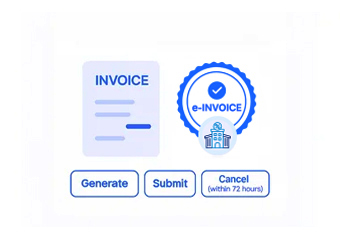
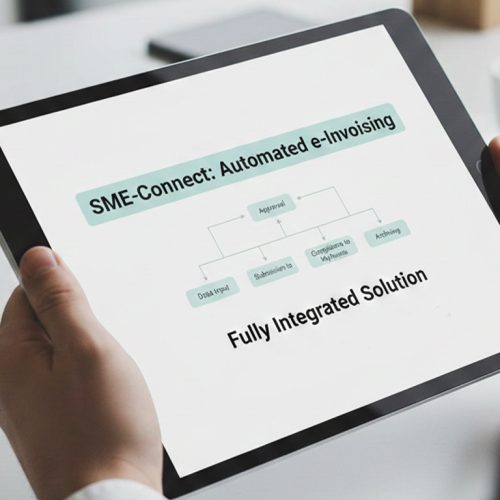
- Capturing at Flow Trigger: Invoice data is retrieved the moment a connected flow generates a billing event, automatically.
- Validating Cross-System Data: NPWP, VAT status, and buyer details are checked against DJP’s expected structure precisely.
- Converting to Coretax XML: Flow-generated data reshapes into the XML format Coretax requires, event by event.
- Submitting for Clearance: The formatted invoice routes to Coretax for real-time DJP validation and prompt confirmation.
- Returning Clearance Data: NSFP and QR code write back into the flow’s connected system without manual entry.
- Archiving to Standard: Cleared invoices are stored for Indonesia’s ten-year retention period, fully indexed and traceable.
What Is Advintek's Indonesia E-Invoice Connector for Microsoft Power Automate?
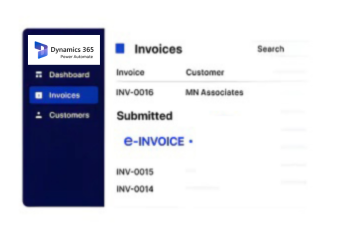
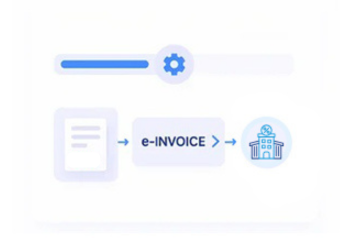
Built to slot into an existing automation, the connector adds a clearance step to the flow already generating invoicing events. Existing triggers, conditions, and connected systems remain unchanged, allowing teams to meet compliance requirements without rebuilding, restructuring, or redesigning their established automation.
- Adds as a step inside existing flows
- No changes to triggers or connected systems
- Fits cross-system, multi-app automation
- Scales as flow volume increases
Why Microsoft Power Automate Customers Rely on Advintek
- Automation Builders Stay Focused: Internal teams keep refining flows without owning compliance logic themselves.
- No Flow Redesign Needed: Existing triggers and connected actions remain exactly as they were built originally.
- Clearance Fits Any Flow Structure: Whatever systems a flow connects, validation adapts to that structure precisely.
- Issues Surface at Trigger Time: Problems appear in real time rather than being discovered later in a review.
- Consistent Regardless of Flow Complexity: Clearance logic stays uniform even as automations grow more elaborate.
- Rejections Stay Rare: Correct formatting from the first submission keeps bounced filings uncommon throughout.
Complete Control Over Indonesia E-Invoicing Workflows in One Platform
Error Detection and Resolution Support
Clearance connects into the automation your team has already built, without disrupting established processes.
Dashboard and Reporting
Existing flows, triggers, and connected apps remain untouched throughout the entire integration process.
Dedicated e-Invoicing Support
A dedicated team keeps clearance current as both DJP's rules and automations evolve and scale.
Indonesia E-Invoicing Compliance for Microsoft Power Automate Operations
Businesses automating invoicing across multiple systems with Power Automate may overlook DJP’s clearance requirements until compliance becomes urgent. Advintek connects directly to existing automation flows, adding the necessary clearance step without forcing teams to redesign, rebuild, or disrupt processes they already depend on.
- Cross-system flow billing cleared consistently
- Existing automations remain fully intact
- Clearance scales as flow volume increases
- Reporting stays unified across connected systems
Connect Your Microsoft Power Automate
Add Coretax clearance directly into whatever invoicing flow you've already built on Power Automate.
Running a different automation platform? Advintek builds tailored Indonesia e-invoicing connectors for a wide range of systems.
Ready e-Invoice System
Frequently Asked Questions Power Automate e-Invoicing Indonesia
Does Power Automate connect to Coretax automatically?
No. There’s no native DJP link, so Advintek adds clearance into your flows while keeping your existing automation structure and connected processes fully intact.
Do we need to rebuild our automations?
No. The connector adds as a step without requiring flow redesign, allowing your existing triggers, conditions, and connected applications to continue working normally.
Does this work with any connected system?
Yes. Clearance adapts to whatever apps and triggers your flow already uses, supporting consistent compliance across different systems, processes, and automated invoicing scenarios.
Will this slow down flow execution?
No. Clearance runs as a parallel step without adding meaningful delay, helping your automation maintain efficient processing while compliance checks happen in the background.
What happens as we add more flows?
Each new flow can include the same clearance step without extra setup work, making it easier to extend compliance as automation expands.